German Shepherd
A First Impression of a Real-World Embroidery Design
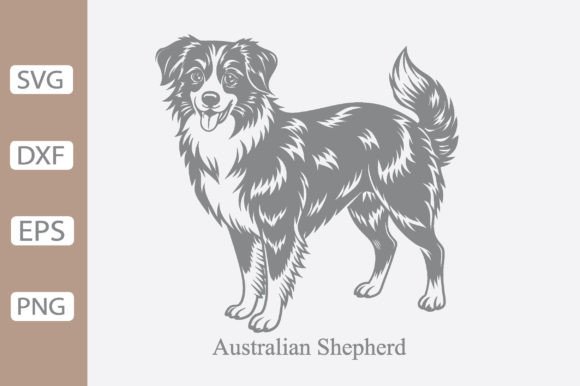
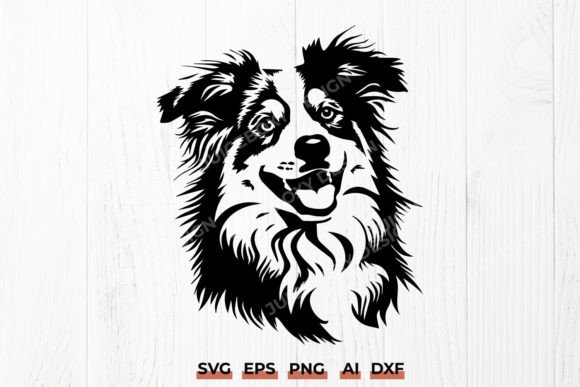
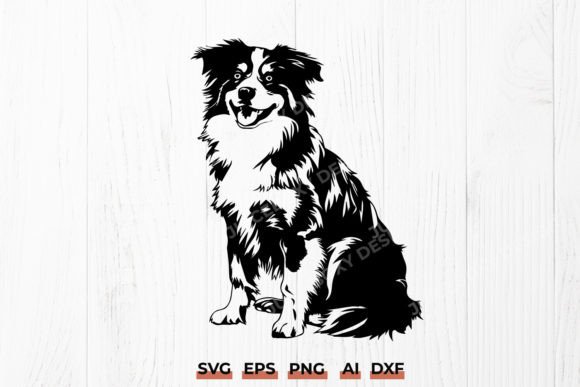
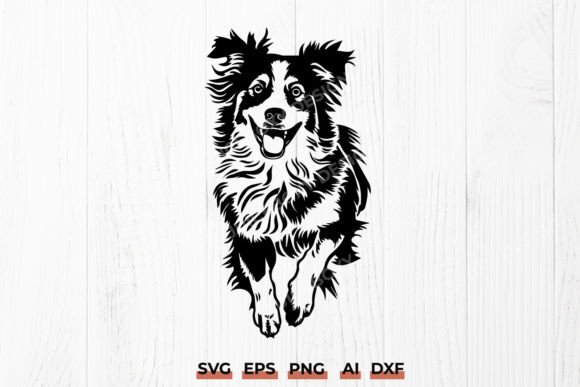
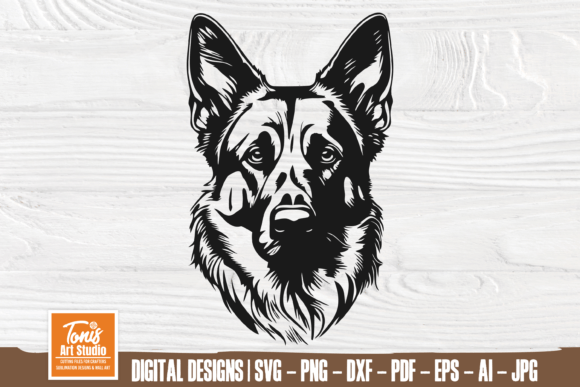
The moment I opened the German Shepherd embroidery file, I was struck by its simplicity and clarity. It’s not overly detailed or complicated, which is a good sign for practical use. The design features a clean, recognizable dog face with subtle shading that gives it a friendly and approachable look. This makes it ideal for a wide range of projects where the focus is on the breed rather than intricate detail.
What Kind of Project Does This Fit?
The German Shepherd seems to naturally belong to custom apparel, especially t-shirts, sweatshirts, and tote bags. Its neutral color palette and straightforward shape make it versatile enough to work on both light and dark fabrics without losing definition. It also has potential as an embroidered patch or a wall decal, adding charm to personal items like mugs or baby clothes.
I can already picture this design on a custom tote bag, serving as a playful yet professional touch for a boutique or small shop. It would also work well in holiday or birthday gift scenarios, where a simple but meaningful design can stand out without being overwhelming.
Testing the Design in Real-Life Scenarios
As a designer, I always test new files before committing to a project. I started by printing a printable mockup of the German Shepherd on different fabric types to see how it holds up. On cotton, the design looked sharp and clear, with good stitch density and minimal distortion. However, on thinner or stretchy fabrics, I noticed some slight stretching and loss of definition at the corners. This suggests that while the design is adaptable, it may require careful handling on certain materials.
I also tested it on a small hoop size to simulate real-world conditions. The design fits comfortably within a 5x7 hoop, which is great for beginners and those working with limited space. For larger projects, such as a full-sized sweatshirt or a pillow cover, a bigger hoop would be necessary to maintain stitch quality and prevent overlapping or distortion.
Where to Use Carefully
While the German Shepherd is a solid choice for many applications, there are situations where it might not perform as well. For instance, on dark fabrics, the contrast between the design and the background could be less pronounced, making it harder to see. In such cases, using a contrasting thread color or adjusting the design’s shading can help improve visibility.
Additionally, the design’s edges and corners are relatively delicate. If used on curved surfaces like caps or hats, they may not hold up as well due to the nature of the fabric and the stitching process. Similarly, dense stitch areas and detailed corners may require more stabilizer or careful placement to avoid puckering or distortion.
Visual Appeal and Product Value
The German Shepherd brings a sense of professionalism and reliability to any project. Its clean lines and balanced composition make it visually appealing without being too flashy. This is particularly important for handmade products, where the design needs to complement the craftsmanship rather than overshadow it.
From a customer perspective, the design feels trustworthy and well-crafted. It’s the kind of design that people would recognize and appreciate, especially in personalized gifts or branded merchandise. This helps build brand consistency and increases the perceived value of the finished product.
Practical Designer Notes
- Test on scrap fabric: Always run a test before using the design on your final project to ensure it looks as expected.
- Check thread color contrast: Make sure the chosen thread colors provide enough contrast against the fabric background.
- Review stitch density: Ensure the design doesn’t have overly dense or sparse stitching, which can affect the overall appearance and durability.
- Confirm hoop size: Choose a hoop that allows the design to fit without distortion or overlapping.
- Inspect small details: Pay attention to corners and edges, especially if the design will be used on smaller items like patches or stickers.
- Test in black and white: This helps identify any issues with shading or clarity before adding color.
- Use proper stabilizer: Especially on thin or stretchy fabrics, a good stabilizer can make all the difference in stitch quality.
- Consider licensing: If you plan to sell finished products or digital files, confirm the licensing terms before proceeding.
Final Thoughts on the German Shepherd
The German Shepherd is a reliable and versatile embroidery design that can serve a variety of purposes. It’s suitable for both personal and commercial projects, making it a great asset for Etsy sellers, crafters, and small business owners. While it may require some adjustments depending on the fabric and application, its clean design and recognizable subject make it a strong contender for a wide range of handmade products.
As an experienced designer, I would recommend the German Shepherd for anyone looking for a straightforward, high-quality embroidery file that can elevate their craft. With the right preparation and attention to detail, it can become a valuable addition to your design toolkit.